Written By
tabdentistry_aDMeeN
How Good Oral Hygiene Helps Protect Your Dental Implant Investment
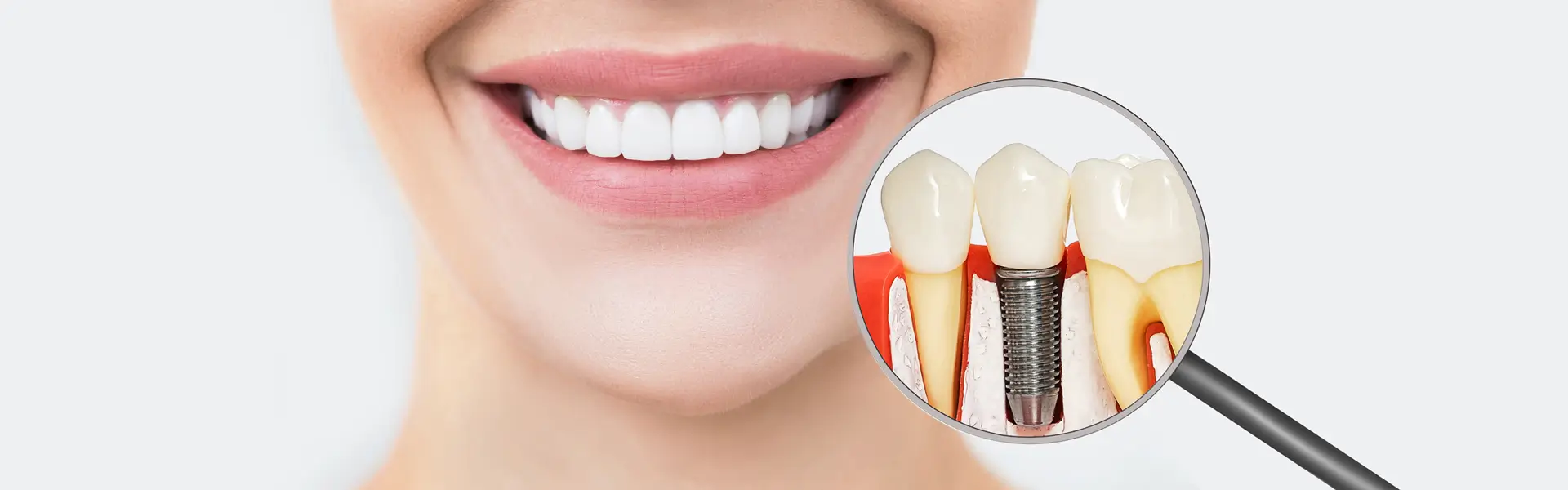
Choosing dental implants in Corona is more than replacing a missing tooth. It is an investment in restoring comfortable chewing, a confident smile, and everyday function. Like natural teeth, implants rely on healthy gums and strong bone for long-term stability. While the implant itself is made from materials that do not decay, the tissues surrounding it still require consistent care. A thorough home-care routine combined with regular professional maintenance reduces the likelihood of complications and helps your replacement tooth continue functioning comfortably for years.
Why Oral Hygiene Is Essential After Getting Dental Implants
Many people assume that once an implant has healed, it no longer needs the same attention as natural teeth. In reality, the opposite is true. Bacteria naturally collect in the mouth every day, and if plaque remains around an implant restoration, it can irritate the surrounding gum tissue. Persistent inflammation may gradually affect the bone supporting the implant, making regular cleaning an important part of long-term success.
Good implant maintenance focuses on protecting the tissues that anchor the implant rather than simply keeping the visible restoration clean. Brushing and cleaning around the implant every day disrupts plaque before it hardens into deposits that are more difficult to remove. Regular professional examinations complement home care by identifying early changes that may not yet cause discomfort.
No two patients have the same maintenance needs. Previous gum disease, tobacco use, certain medical conditions, and daily oral hygiene habits all influence the care schedule recommended by your dentist. Individualized follow-up helps preserve healthy tissues while reducing the risk of future complications.
Daily Habits That Help Keep Dental Implants Healthy
Looking after an implant does not require an overly complicated routine, but consistency matters. Brushing twice each day with a soft-bristled toothbrush removes plaque before it builds up around the restoration. Cleaning between the implant and neighboring teeth with floss, interdental brushes, or other recommended cleaning aids reaches areas that standard brushing cannot fully access.
Patients with implant-supported crowns or bridges sometimes find certain areas more difficult to clean. Learning the proper technique from your dental team can improve plaque removal without increasing the amount of time spent brushing each day.
Healthy lifestyle choices also contribute to successful dental implant care. Protecting the health of the gums and supporting bone around an implant involves avoiding tobacco use, maintaining good nutrition, and controlling medical conditions that may slow healing. Small daily decisions often have a greater impact on long-term implant stability than many people realize.
Common Problems That Can Affect Dental Implants Without Proper Care
Even a well-placed implant depends on healthy surrounding tissues to remain stable. When plaque is not consistently removed, the gums around the implant may become inflamed before any obvious discomfort develops. Early warning signs can include bleeding during brushing, persistent tenderness, swelling, or increasing difficulty cleaning around the restoration.
Addressing these changes early allows your dentist to determine the cause before inflammation progresses further. Prompt care often helps preserve the healthy tissues supporting the implant while reducing the need for more extensive treatment later.
At this stage, professional evaluation becomes especially important for anyone experiencing bleeding gums, plaque accumulation around an implant restoration, or difficulty maintaining proper oral hygiene.
The Importance of Professional Dental Checkups and Cleanings
Home care is essential, but it cannot remove every hardened deposit that may develop around an implant over time. Regular maintenance visits allow your dentist to examine the condition of the gums, assess the stability of the implant restoration, and identify subtle changes before they become more difficult to manage.
Professional cleanings are an important part of implant maintenance because they remove plaque and hardened deposits from areas that may be difficult to clean thoroughly at home. During these appointments, your dental team may also review your brushing and flossing technique, recommend cleaning aids that suit your restoration, and compare your current oral health with previous findings to monitor long-term stability.
Bleeding gums, tenderness, persistent plaque buildup, or increasing difficulty cleaning around an implant should not be dismissed as routine. Early assessment allows your dentist to identify the underlying cause and recommend appropriate care before inflammation affects the tissues supporting the implant. If you notice these changes, scheduling regular examinations for dental implants near you is an important step toward preserving healthy gums and supporting bone.
Long-Term Tips to Protect Your Dental Implant Investment
Successful implant treatment depends on consistent care long after the implant has healed. Daily plaque removal, healthy lifestyle habits, and routine professional maintenance work together to preserve the tissues supporting the restoration.
To help maintain your implant for years to come:
- Brush twice a day using a soft-bristled toothbrush.
- Clean around the implant every day with floss, interdental brushes, or other cleaning aids recommended by your dentist.
- Attend regular dental examinations and professional cleanings based on your personalized maintenance schedule.
- Avoid smoking or tobacco products, as they may increase the risk of implant-related complications.
- Arrange a dental visit if you notice bleeding, swelling, tenderness, or persistent difficulty cleaning around the implant.
Consistent attention to these habits helps maintain healthy gums, preserve supporting bone, and extend the lifespan of your tooth replacement in Corona.
Protect Your Dental Implant for Years to Come
Receiving a dental implant is only the first step toward restoring your smile. Protecting the surrounding tissues through good daily hygiene and regular professional care is what supports long-term success.Whether you want guidance on improving your home care routine or need ongoing monitoring after treatment, an implant dentist in Corona can recommend maintenance strategies tailored to your individual needs. If you are looking for dental implants near you, TAB Dentistry welcomes patients from Norco, Eastvale, and Home Gardens and provides personalized maintenance plans to help keep implant restorations healthy for years to come.
Frequently Asked Questions
Clinical Reference
- American Dental Association (ADA). Dental Implants. https://www.ada.org
- American Academy of Implant Dentistry (AAID). Dental Implant Care and Maintenance.
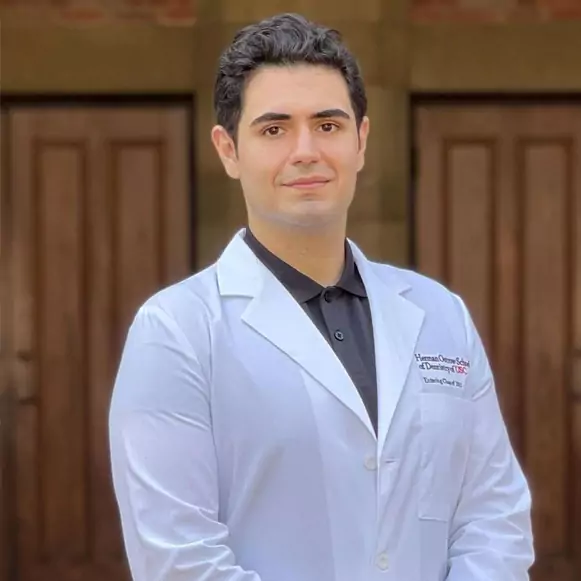
Dr. Kasra Tabesh
Dr. Tabesh is a highly accomplished and respected dentist with a wealth of knowledge and experience in the field of dentistry. He received his Doctorate in Dental Surgery from the University of Southern California and completed his Doctorate in Dental Medicine abroad. He is an internationally certified Prosthodontist, and has spent many years training and gaining experience in diagnosing and treating various oral health conditions.
In addition to being a member of the American Dental Association and the Academy of General Dentistry, Dr. Tabesh is dedicated to staying up to date with the latest advancements in the field of dentistry. He regularly participates in continuing education courses to keep himself informed of new techniques and technologies.